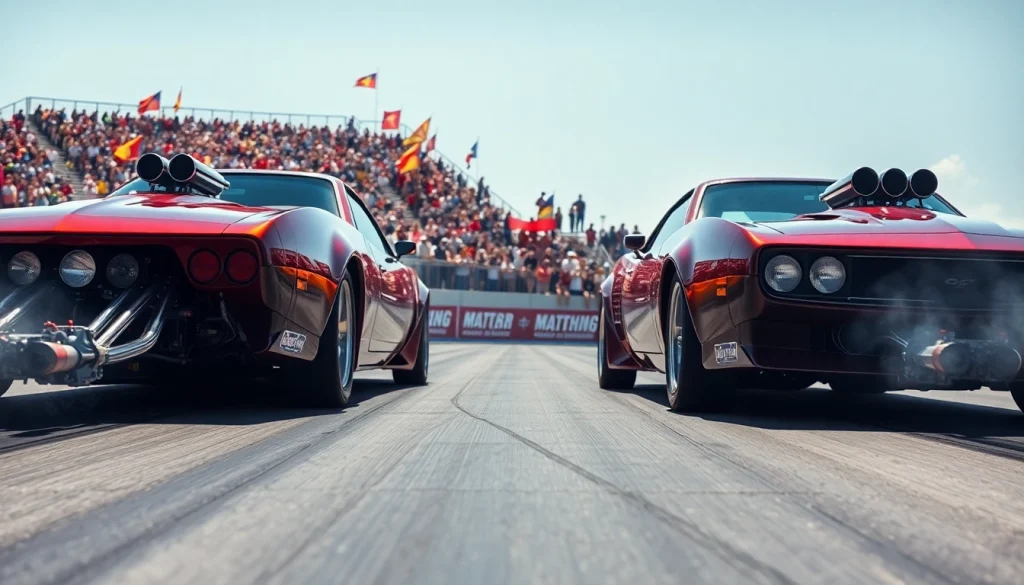
The Basics of Drag Racing
Drag racing is one of the most exhilarating forms of motorsport, where speed, precision, and engineering collide on a strip of asphalt. Defined as a type of motor racing where vehicles compete, typically two at a time, to be the first to cross a designated finish line, drag racing attracts enthusiasts from around the globe. Whether you’re just beginning your journey or are an avid fan, understanding the fundamentals is essential. For discussions and insights on Drag Racing, this article will lay the groundwork for diving deeper into this thrilling sport.
What is Drag Racing?
At its core, drag racing is an acceleration competition between two vehicles over a straight course, usually a quarter mile in length. Racers start from a standing position and aim to reach the finish line in the shortest time possible. This fast-paced event can involve a variety of vehicles, from regular street cars to purpose-built monsters powered by specially designed engines that can exceed 10,000 horsepower.
Key Terminology in Drag Racing
To fully appreciate drag racing, it’s critical to familiarize yourself with its unique terminology:
- Tree: The timing device used to indicate when the race starts. It features a series of lights that countdown to launch.
- Burnout: A technique used by drivers to heat their tires for optimal grip before the start of a race.
- Reaction Time: The time it takes for a driver to begin moving after the starting lights turn green.
- ET (Elapsed Time): The total time taken to complete the race.
- Trap Speed: The speed of the vehicle as it crosses the finish line.
- No Prep: A type of racing where the track is not prepped for maximum traction before racing.
Overview of Drag Racing Events
Drag racing events vary in scale, from small local races at local drag strips to large, nationally recognized competitions such as those organized by the National Hot Rod Association (NHRA). Events often have distinct classes where similar vehicles compete against each other, ensuring a fair and exciting race series. Each event culminates in rounds of elimination, leading up to the final showdown that determines the champion.
Setting Up Your Drag Racing Vehicle
Choosing and setting up the right vehicle is crucial for success in drag racing. The right modifications and tuning can mean the difference between winning and losing.
Choosing the Right Vehicle for Drag Racing
Different types of vehicles can compete in drag racing, including:
- Street Cars: Many racers start with their personal vehicles, making modifications to improve speed and performance.
- Purpose-Built Race Cars: These are designed from the ground up for drag racing and can be significantly faster than street cars.
- Motorcycles: Drag racing also includes motorcycle classes, providing a thrilling twist to traditional car racing.
Essential Modifications and Upgrades
After selecting a vehicle, consider the following essential modifications to improve performance:
- Powertrain Upgrades: Enhancements to the engine, including turbochargers, superchargers, or nitrous oxide systems, can significantly increase horsepower.
- Weight Reduction: Removing unnecessary parts and using lighter materials like carbon fiber can enhance speed and acceleration.
- Tire and Suspension Enhancements: Upgrading tires for better grip and improving suspension settings can contribute to faster launches.
Safety Equipment Requirements
Safety is paramount in drag racing. Here are some critical safety requirements:
- Helmet: A DOT approved helmet is mandatory.
- Roll Cage: Essential for vehicles reaching high speeds to protect the driver in the event of a rollover.
- Fire Suit: Made from fire-resistant materials; it helps protect drivers from flames and extreme heat.
- Seat Belts: Five-point harnesses are recommended to secure the driver safely within the vehicle.
Techniques for Winning Drag Races
Success in drag racing goes beyond just having a fast car. Understanding the race formats and fine-tuning your technique is vital for achieving victory.
Understanding the Race Format
Each drag racing event adheres to a defined format. Typically, the event consists of qualifying rounds, elimination rounds, and, finally, the championship race. Knowing when to deploy your best strategy—whether it be in timing your reaction at the starting line or navigating the setup for the final race—is vital for enduring success.
Optimal Launch Techniques
The launch is one of the most critical moments in a drag race. Here are some techniques to achieve the optimal start:
- Staging: Use the lights effectively. Learning to stage your vehicle properly can reduce your reaction time.
- Throttle Control: Avoid pedal-to-the-metal launches. Proper throttle modulation can help maximize traction and prevent wheel spin.
- Practice: Regular practice will help you understand the nuances of your car and improve your timing and execution during launches.
Tuning Your Vehicle for Performance
Tuning your vehicle can dramatically affect performance. Consider the following:
- Fuel Management: Proper fuel types can impact the power output. Higher-octane fuel typically allows for more aggressive tuning.
- Computer Tuning: Fine-tuning the engine’s computer settings can optimize the vehicle’s power band, responsiveness, and fuel efficiency.
Top Drag Racing Organizations and Events
The drag racing landscape is vast and vibrant, with numerous organizations promoting events across the globe.
Major Competitions in the Drag Racing Calendar
Some notable drag racing competitions include:
- NHRA (National Hot Rod Association): The largest sanctioning body that organizes events across the United States, including the famed U.S. Nationals.
- IHRA (International Hot Rod Association): Another prominent organization that hosts events on both national and international scales.
- Local Drag Strips: Many towns host regular events that provide a platform for amateurs to gain experience.
The Role of NHRA in Drag Racing
The NHRA not only hosts events but also establishes rules and regulations to maintain fair competition. They are known for promoting safety standards and offering various classes for different skill levels and vehicle types, fostering a welcoming environment for both beginners and seasoned professionals.
Other Organizations and Community Events
Beyond NHRA and IHRA, various local groups and clubs facilitate drag racing events. Participating in these local community events can be a great way to learn, connect, and grow within the drag racing community.
The Future of Drag Racing
As the motorsport continues to evolve, several trends and technologies shape its future.
Emerging Technologies in Drag Racing
Advancements in technology are presenting thrilling opportunities for drag racing. Innovations like telemetry, improved materials for lighter and stronger vehicles, and advanced engine technology are revolutionizing how races are run and how vehicles perform. For example, the use of sophisticated data analytics to track performance can result in unprecedented tuning capabilities.
The Impact of Electric Vehicles on Drag Racing
With the rise of electric vehicles (EVs), drag racing is seeing an influx of rapid, electric-powered machines. These vehicles often have immediate torque, resulting in impressive launch capabilities. Events catering specifically to EV drag racing are beginning to emerge, signalling a significant shift in the sport’s landscape.
Current Trends Among Drag Racing Enthusiasts
Enthusiasts are increasingly leaning towards sustainable practices, with many focusing on eco-friendly vehicles and technologies. Furthermore, street and no-prep racing are gaining traction as new segments of the drag racing community seek unconventional avenues to experience the thrill of competition.